
How Much Do Mini-Splits Really Reduce Energy Bills?

It can be hard to believe just how much mini-splits can reduce heating and cooling costs. Are they really that much more efficient than other systems?
In short—yes, when properly designed and installed, mini-splits deliver meaningful energy savings. Their reputation for lower utility bills, precise room-by-room comfort, and year-round efficiency is well earned. Many homeowners and businesses see energy consumption cut by 60%, with the highest savings often occurring when replacing older or inefficient systems like electric baseboard heat.
In this blog, we’ll break down why mini-splits are so efficient, what realistic savings look like, and the factors that determine how much you can save.
Mini-Split Efficiency
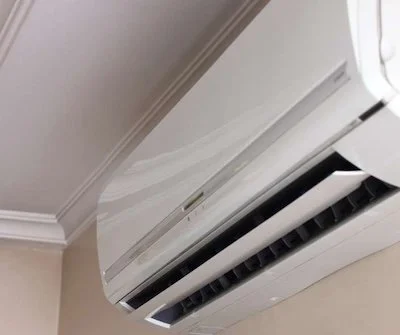
If the word minimakes you question their power, you’re not alone. Mini-splits are efficient because they use air-source heat pump technology, which moves heat rather than generating it. This alone makes them far more efficient than traditional systems—but their design takes efficiency even further.
The Ductless Advantage
One of the biggest efficiency wins is that mini-splits don’t rely on ductwork.
Traditional ducted systems lose energy as air travels through ducts—especially when ducts are leaky, poorly insulated, or run through unconditioned spaces like attics or basements. These losses, known as duct losses, can significantly reduce system efficiency.
Mini-splits eliminate this issue entirely. Conditioned air is delivered directly into the space through the indoor unit, so the energy you pay for goes exactly where it’s needed.
Superior Zoning Capabilities
Mini-splits are inherently zoned systems. Each indoor unit has its own thermostat, allowing you to control temperatures room by room.
Instead of heating or cooling an entire home to one temperature, zoning lets you:
· Reduce conditioning in unused rooms
· Customize comfort by space and occupancy
· Avoid overworking the system
This targeted approach can save homeowners and businesses hundreds of dollars per year, especially in larger or multi-level spaces.
Built-In State-of-the-Art Technology
Unlike older HVAC systems that cycle on and off at full power, mini-splits use inverter-driven compressors.
Inverter technology allows the system to ramp output up or down gradually, which:
· Reduces energy-hungry startups
· Maintains more consistent temperatures
· Prevents system overcompensation
· Lowers overall energy consumption
The result is quieter operation, better comfort, and higher efficiency.
High Energy Ratings
Compared with other systems, mini-splits typically have higher energy-efficiency ratings. You will typically see that their SEER (cooling) and HSPF (heating) ratings are high. For SEER, they typically range from 18 to over 30. For HSPF, ratings often exceed those of traditional systems. Many models surpass ENERGY STAR standards, which qualify homeowners for federal tax credits and local utility rebates.
Realistic Savings

Now, if you have another type of system that you’re ready to replace, you might want more concrete information on how much you can expect to save. Since every situation is different, there’s no single answer, but we can estimate approximate savings based on the type of system you’re replacing.
Electric Baseboard Heat → Mini-Split
Electric baseboards are a costly way to warm a space and can’t compete with the efficiency of mini-splits. In cold climates such as New England, the advantage is even greater.
Typical Savings: 30%–50% reduction in heating costs.
Oil or Propane Heat → Mini-Split
Oil and propane systems are expensive to operate and often inefficient, especially older boilers or furnaces. Not to mention, gas prices are unpredictable. Mini-splits eliminate the need for fossil fuels. With mini-splits, you can expect more predictable energy expenses and reduced maintenance and cleaning.
Typical Savings: 20%–40% lower annual heating costs.
Determining Factors for Savings
It’s important to remember that while an efficient system does the lion’s share of the work, your system doesn’t start and end there. You also have to consider home insulation, air sealing, system sizing, installation, and usage to get the best bang for your buck.
Electric Bills
Mini-splits run on electricity, so electric usage may increase—especially if you’re switching from oil or gas. However, overall utility costs are typically much lower, making the tradeoff worthwhile.
Beyond the Utility Bill: Extra Benefits
Energy savings aren’t the only reason people switch to mini-splits. Additional advantages include:
· Lower maintenance costs
· Zoned comfort (no more thermostat battles)
· Improved indoor air quality
· Quiet, consistent operation
· Reduced environmental impact
Final Words
When installed and maintained by a certified, trained team of HVAC technicians, mini-splits remain one of the most efficient, comfortable, and cost-effective heating and cooling solutions available.
If you have any questions or concerns, feel free to contact us.
Whether you need 24/7 emergency service or a solution to improve your indoor comfort—at home and work—call us at 781-224-2400 or submit a convenient contact form.