
The Essential Commercial HVAC Guidebook
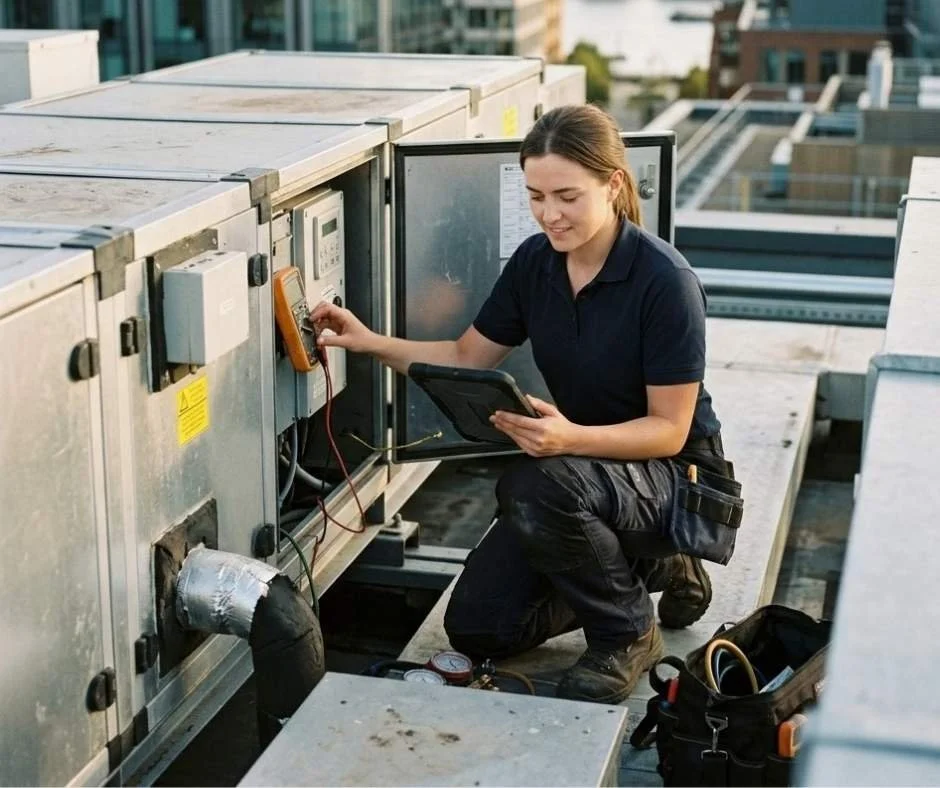
For business owners and commercial property managers, creating a safe, healthy, and comfortable environment for employees, customers, clients, and equipment requires careful planning. From an HVAC perspective, however, achieving that goal becomes much more manageable with the right strategy and system design — regardless of building size, operational complexity, or industry requirements.
Commercial HVAC systems do far more than maintain comfort. They directly impact employee productivity, customer satisfaction, equipment performance, energy consumption, and long-term operating costs. From hospitals and schools to offices and retail spaces, HVAC systems work behind the scenes every day to help businesses operate efficiently and reliably.
This guidebook is designed to help business owners and property managers better understand the key components of commercial HVAC systems, including heating, cooling, ventilation, indoor air quality, controls, efficiency, and maintenance. By understanding these essentials, businesses can make more informed decisions and avoid costly mistakes.
Commercial Heating Systems
In regions that experience cold weather or dramatic seasonal temperature changes, reliable heating is critical to daily operations. Unlike residential systems, commercial heating systems must often accommodate large floor plans, high ceilings, varying occupancy levels, and multiple zones while maintaining consistent comfort throughout the building.
Because of these demands, commercial heating systems are typically selected based on building requirements, operational needs, and efficiency goals.
Common Commercial Heating Systems
Boilers
Boilers are commonly used in large commercial buildings such as hospitals, schools, and older facilities where hot water or steam distribution systems are already in place. These systems are valued for their ability to deliver consistent heat across large areas.
Furnaces
Furnaces are more commonly found in smaller commercial spaces and provide reliable heating throughout the winter months. They remain a dependable option for many businesses due to their effectiveness and familiarity.
Heat Pumps
Heat pumps continue to grow in popularity because they offer both heating and cooling capabilities while operating with impressive energy efficiency. They are often an excellent solution for businesses focused on reducing energy costs and environmental impact.
Rooftop Units (RTUs)
Rooftop units remain a staple in commercial HVAC applications because they combine heating and cooling functions into a single system installed outside the building. Their location helps preserve interior space and minimizes disruption to daily operations.
Commercial Cooling Systems
Commercial cooling options may include:
Rooftop units
Split systems
Chillers
Variable refrigerant flow (VRF) systems
A qualified HVAC professional can help determine the best option based on:
Floor plan and layout
Occupancy levels
Usage patterns
Cooling load requirements
When systems are properly designed and sized for the building, businesses benefit from:
Stable indoor temperatures
Improved energy efficiency
Reduced equipment wear and tear
Fewer maintenance issues
Longer system lifespan
Why Humidity Matters
Humidity control is especially important in commercial buildings because it directly impacts comfort, health, cleanliness, and even building integrity.
Proper humidity management can help improve:
Occupant comfort
Odor control
Indoor air quality
Static management
Building material protection
Effective cooling systems help regulate both temperature and humidity to maintain a healthier indoor environment year-round.
The Importance of Ventilation
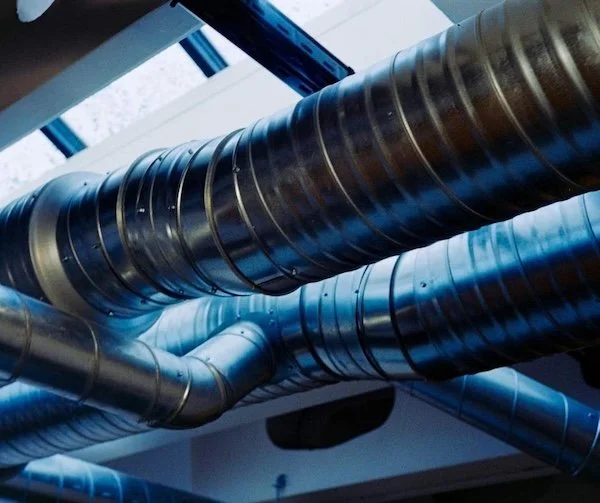
Ventilation is one of the most important — and often overlooked — aspects of commercial HVAC design.
Whether you operate an office, retail store, warehouse, medical facility, or industrial kitchen, proper ventilation is essential for maintaining healthy indoor air and supporting daily operations.
Ventilation systems help manage indoor air exchange by bringing in fresh outdoor air while removing stale, contaminated, or excess indoor air.
Benefits of Proper Ventilation
Effective ventilation helps support:
Occupant health and comfort
Moisture regulation
Compliance with building codes and safety standards
Businesses evaluating HVAC upgrades should consider systems that include efficient ventilation solutions such as:
Mechanical ventilation systems
Exhaust systems
Energy recovery ventilators (ERVs)
Heat recovery ventilators (HRVs)
Indoor Air Quality in Commercial Buildings
Poor indoor air quality can negatively affect employees, customers, and business operations. It may contribute to:
Increased absenteeism
Reduced productivity
Customer discomfort
Respiratory irritation and allergies
Because of this, indoor air quality should be a major consideration when selecting or upgrading a commercial HVAC system.
Indoor Air Quality Considerations
Business owners and property managers should evaluate:
Humidity management
Filtration capabilities
Airborne pollutant control
Ductwork cleanliness and maintenance
Dirty or poorly maintained ductwork can become a hidden source of indoor air quality issues and should be included in long-term maintenance planning.
Additional Indoor Air Quality Solutions
Businesses may also benefit from:
High-efficiency air filters
Ultraviolet (UV) purification systems
Advanced air scrubbers
Air purification technologies
Controls & Automation
A commercial HVAC system is only as effective as the controls managing it. Modern controls and automation systems help businesses maintain comfort while improving efficiency and reducing operational guesswork.
Smart HVAC Control Solutions
Common commercial control solutions include:
Programmable thermostats
Zoning systems
Building automation systems (BAS)
Smart controls can automatically adjust temperature settings based on occupancy and usage patterns, helping reduce energy waste while maintaining consistent comfort.
Automation systems can also monitor HVAC performance in real time, alerting businesses to potential issues before they become major system failures.
Energy Efficiency
HVAC systems are one of the largest contributors to commercial utility expenses. Improving energy efficiency can significantly reduce operating costs without sacrificing comfort or performance.
Common Efficiency Strategies
Businesses can improve HVAC efficiency by:
Upgrading outdated equipment
Improving insulation and air sealing
Installing zoning controls
Scheduling professional energy audits
Maintaining equipment regularly
Prioritizing energy efficiency not only lowers utility bills but also reduces strain on HVAC equipment, helping extend system lifespan and reduce the likelihood of unexpected breakdowns.
Maintenance
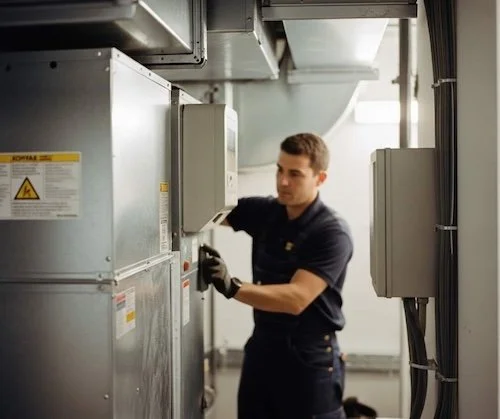
With so many responsibilities competing for attention, HVAC maintenance can sometimes be overlooked. However, preventative maintenance is one of the best ways to protect a commercial HVAC investment.
Routine maintenance helps systems operate efficiently, safely, and reliably while reducing the risk of unexpected downtime.
Common Maintenance Services Include:
Regular inspections
Filter replacements
Coil and component cleaning
Performance testing
System calibrations
Many businesses choose scheduled maintenance plans to ensure service remains consistent throughout the year.
Summary
Commercial HVAC systems are a critical component in supporting a business’s comfort, health, and operational efficiency. By understanding heating, cooling, ventilation, indoor air quality, controls, energy efficiency, and maintenance, business owners and managers can make informed decisions that protect their buildings and their bottom line.
If you have any questions or concerns, feel free to contact us.
Whether you need 24/7 emergency service or a solution to improve your indoor comfort—at home and work—call us at781-224-2400 or submit a convenient contact form.