
HVAC Made Simple for New England Homeowners

perched along coastal rooftops, and autumn forests glowing beside pumpkin patches and apple orchards—New England’s beauty is unmatched and it holds a special place in our hearts. As a family-owned company with strong ties to the region, we also understand that life here isn’t all postcard moments. Historic architecture and dramatic seasonal shifts create unique challenges—especially when it comes to HVAC.
Selecting the right heating and cooling system in New England requires thoughtful planning. The same charm that makes this region special—older homes and unpredictable weather—demands HVAC solutions that are flexible, durable, and efficient.
The Challenge of Unpredictable Weather

One of the biggest factors New England homeowners and business owners face is weather volatility. While each season has general patterns, day-to-day conditions can change quickly. Your HVAC system must be prepared to deliver consistent comfort no matter what the forecast brings.
Spring
Spring in New England brings heavy rain, melting snow, and wide temperature swings. These conditions often increase indoor humidity, which can lead to discomfort and even mold if not properly managed. An effective HVAC system should control moisture, protect the building, and transition easily between heating and cooling without driving up energy costs.
Summer
Hot, humid summers are enjoyable outdoors—but not indoors. High humidity combined with frequent thunderstorms can stress HVAC systems and even cause power interruptions. A robust system with strong dehumidification capabilities is essential to maintaining comfort and protecting equipment during summer weather extremes.
Fall
While fall is typically drier, it comes with significant temperature fluctuations and an abundance of debris from falling leaves. HVAC systems must be able to switch smoothly between heating and cooling, and outdoor components should be easy to clean and maintain to prevent clogs and airflow issues.
Winter
Winter is when HVAC performance matters most in New England. Subzero temperatures, heavy snow, and strong winds require a heating system that delivers reliable, efficient warmth. Comfort and safety depend on a system that can handle extreme cold without excessive energy use—especially when lowering the thermostat simply isn’t an option.
Additional Factors to Consider

Weather may be the most obvious influence, but it’s not the only one. These additional considerations often play a key role when choosing an HVAC system in New England:
Fuel Availability
Natural gas, oil, and propane are commonly used throughout the region, but availability varies—particularly in rural areas. Before selecting a system, confirm that the required fuel source is reliable and accessible year-round.
Smart Thermostats
Smart thermostats have become nearly essential in New England homes. With temperatures and conditions changing rapidly, these devices automatically adjust settings based on weather, schedules, and occupancy. The result is improved comfort, better humidity control, and lower energy costs.
Rebates and Incentives
Many energy-efficient HVAC systems qualify for rebates and incentive programs, particularly in Massachusetts. These programs reduce upfront costs and increase long-term savings, but availability can change annually. A reputable HVAC provider can help you identify eligible systems and navigate the rebate process.
Zoning
Older homes often experience uneven heating and cooling. Zoning allows for customized temperature control in different areas of the home, improving comfort and efficiency—especially in rooms that are used less frequently or have varying exposure.
Age and Construction of the Home
Many New England homes were built long before modern HVAC standards. Limited insulation, drafty windows, outdated ductwork, or no ductwork at all can impact system performance. Choosing equipment that matches your home’s structure—and making necessary upgrades—will prevent unnecessary strain and energy waste.
HVAC Pro System Recommendations for New England
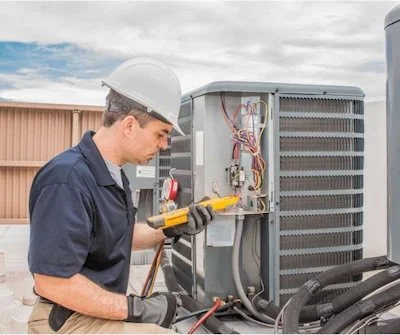
While a professional evaluation is the best way to determine the ideal system, these options are particularly well-suited for New England homes:
Cold-Climate Ductless Mini-Split Heat Pumps:
Highly efficient and duct-free, cold-climate mini-splits are designed to perform even in freezing temperatures. They’re an excellent solution for older homes, renovations, and additions.
High-Efficiency Gas Furnace with Central Air Conditioning (Split System):
A reliable, time-tested option, this system provides powerful heating and dependable cooling—especially in larger homes with existing ductwork.
Ducted Heat Pumps:
These systems combine energy efficiency with a discreet, hidden design. In colder regions, a supplemental heating source may be required during extreme winter conditions.
If you have questions or would like guidance on choosing the right HVAC system, we’re here to help.
Whether you need 24/7 emergency service or want to improve indoor comfort at home or work, call 781-224-2400 or submit a convenient contact form to get started.
If you have any questions or concerns, feel free to contact us.
Whether you need 24-7 emergency service or a solution to improve your indoor comfort—at home and work—call us at 781-224-2400 or submit a convenient contact form.